Aviation Switching Module – NSN 4920-01-250-2696 (AS-IS / Untested): Specialized Aircraft Test and Control Hardware
Aviation Switching Module – NSN 4920-01-250-2696 (AS-IS / Untested): Specialized Aircraft Test and Control Hardware
Blog Article
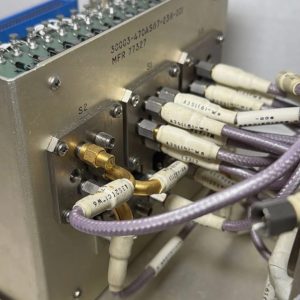
The Aviation Switching Module – NSN 4920-01-250-2696 (AS-IS / Untested) is a specialized aerospace electrical component offered for professional evaluation, restoration, testing, parts recovery, collection, or another suitable non-assumed application.
An Aircraft Switching Module and Aerospace Switching Module should be treated as specialized equipment rather than universal components that can be connected to any aircraft electrical system.
The Aircraft Electrical Switching Module may route selected circuits, while the Aviation Electrical Control Module, Aircraft Power Switching Module, Aerospace Electrical Control Unit, and Aircraft Signal Switching Module terms should not be interpreted as confirmed functions without documentation.
The Aviation Control Module, Aircraft Switching Unit, Aerospace Power Distribution Module, Aircraft Electrical Control Unit, Aviation Power Control Module, Aircraft Electronic Switching System, Aerospace Switching Unit, and Aircraft Electrical Module keywords describe a broad aerospace-electrical product category.
Identifying the Aerospace Switching Unit
The seller should provide clear photographs of every label, marking, connector, switch, control, mounting point, enclosure surface, and included accessory.
Complete identification increases the value of the Aviation Switching Module for restoration, research, inventory management, or component evaluation.
Understanding AS-IS and Untested Condition
The buyer should plan for professional inspection, troubleshooting, repair, parts replacement, or display-only use.
Improper voltage, polarity, grounding, current, signal input, or connector pin assignment can damage the module and connected equipment.
Aircraft Switching Module Applications
An Aircraft Switching Module may provide circuit selection, signal routing, controlled connection, isolation, mode selection, or interface functions within compatible aviation equipment.
Each visible feature should be photographed and described without assuming its electrical purpose.
Inspecting Aerospace Electrical Hardware
Age, handling, impact, humidity, temperature changes, contamination, and long-term storage can affect both mechanical and electrical condition.
Proper connector protection preserves the Aerospace Switching Module for future testing or restoration.
Aircraft Electrical Hardware Review
External condition cannot confirm the state of hidden relays, contacts, circuit boards, wiring, or internal components.
The module should not be modified simply to produce a temporary power-on result.
Aircraft Electrical Control Applications
Similar-looking modules may use completely different pin assignments and operating voltages.
Careful preservation supports future study and accurate Aviation Electrical Control Module documentation.
Aircraft Power Switching Module Considerations
An Aircraft Power Switching Module may connect, disconnect, select, or manage compatible electrical power circuits when designed for that function.
Any successful limited test should be documented precisely without changing the overall status beyond what was actually verified.
Aerospace Module Troubleshooting
Its internal design may include electromechanical components, solid-state devices, wiring assemblies, circuit protection, or specialized connectors.
Replacement components should match the required electrical, mechanical, thermal, and environmental characteristics of the original design.
Maintaining Aircraft Interface Hardware
Signal circuits can be sensitive to grounding, shielding, contact resistance, connector condition, and electromagnetic interference.
A complete accessory inventory improves the commercial presentation of the Aircraft Signal Switching Module.
Aviation Control Module Applications
A module removed from its original system can be difficult to test without supporting equipment and documentation.
Every marking should be recorded before purchase or installation planning.
Aircraft Switching Unit for Maintenance or Restoration
Its value depends on identity, completeness, cosmetic condition, connector integrity, internal status, rarity, and availability of documentation.
The equipment should remain clearly labeled as untested and unsuitable for operational installation without evaluation.
Aerospace Power Distribution Module Considerations
Professional evaluation helps determine whether the unit serves a power-distribution role or another specialized function.
Additional mounting holes should not be drilled until the component application is established.
Aircraft Electrical Control Unit Inspection
Dust and surface dirt can often be removed carefully, but aggressive cleaning may damage labels, seals, finishes, or electrical parts.
Testing read more results should identify exactly which switches, contacts, indicators, or circuits were evaluated.
Untested Aviation Power Equipment
The seller should avoid presenting the module as compatible with commercial aircraft, helicopters, military aircraft, or UAVs without evidence.
The equipment should remain disconnected and protected during storage.
Aircraft Electronic Switching System Integration
A systems approach supports more accurate troubleshooting and restoration.
Professional analysis supports responsible Aircraft Electronic Switching System maintenance.
Preserving Military Aviation Equipment
Proper storage helps preserve the Aerospace Switching Unit for testing, restoration, or collection.
The module should be enclosed in a moisture-resistant protective layer and placed inside a strong outer carton or suitable shipping case.
Evaluating Surplus Aerospace Equipment
The potential cost of connectors, manuals, test equipment, repairs, components, and specialist labor should be included in the buying decision.
Images should show labels, switches, connectors, enclosure surfaces, mounting points, fasteners, seals, internal areas if opened professionally, and included accessories.
NSN 4920-01-250-2696 Buying Checklist
A detailed review reduces misunderstanding and supports realistic purchasing decisions.
- Request photographs of all labels, switches, controls, connectors, mounting points, enclosure surfaces, seals, fasteners, and included accessories.
- Check for burned odors, melted material, arcing marks, water entry, chemical residue, and internal loose components where visible.
- Report shipping damage, missing accessories, identification differences, undisclosed repairs, or altered condition promptly.
Testing the Aviation Switching Module
Every connection should be documented before power is applied.
The test should stop immediately if overheating, smoke, arcing, excessive current, unstable operation, or unusual odor occurs.
Documenting Aviation Electronics Restoration
Temporary substitutions should not become undocumented permanent repairs.
The final product status should describe only the functions that were evaluated successfully.
Buying NSN 4920-01-250-2696
For the right purchaser, the unit can offer a useful foundation for technical research, controlled troubleshooting, component recovery, or legacy-equipment restoration.
The component should be judged according to complete project suitability rather than clean appearance, military-surplus interest, part-number rarity, or price alone.
Whether customers search for an Aircraft Electronic Switching System, Aerospace Switching Unit, or Aircraft Electrical Module, broad terminology should not replace technical application research.
With transparent condition reporting, secure shipping, controlled testing, appropriate repair methods, and accurate records, the unit can support a professional aerospace project.
Report this page